
Why Excel Dominates—And Why Change Is Needed

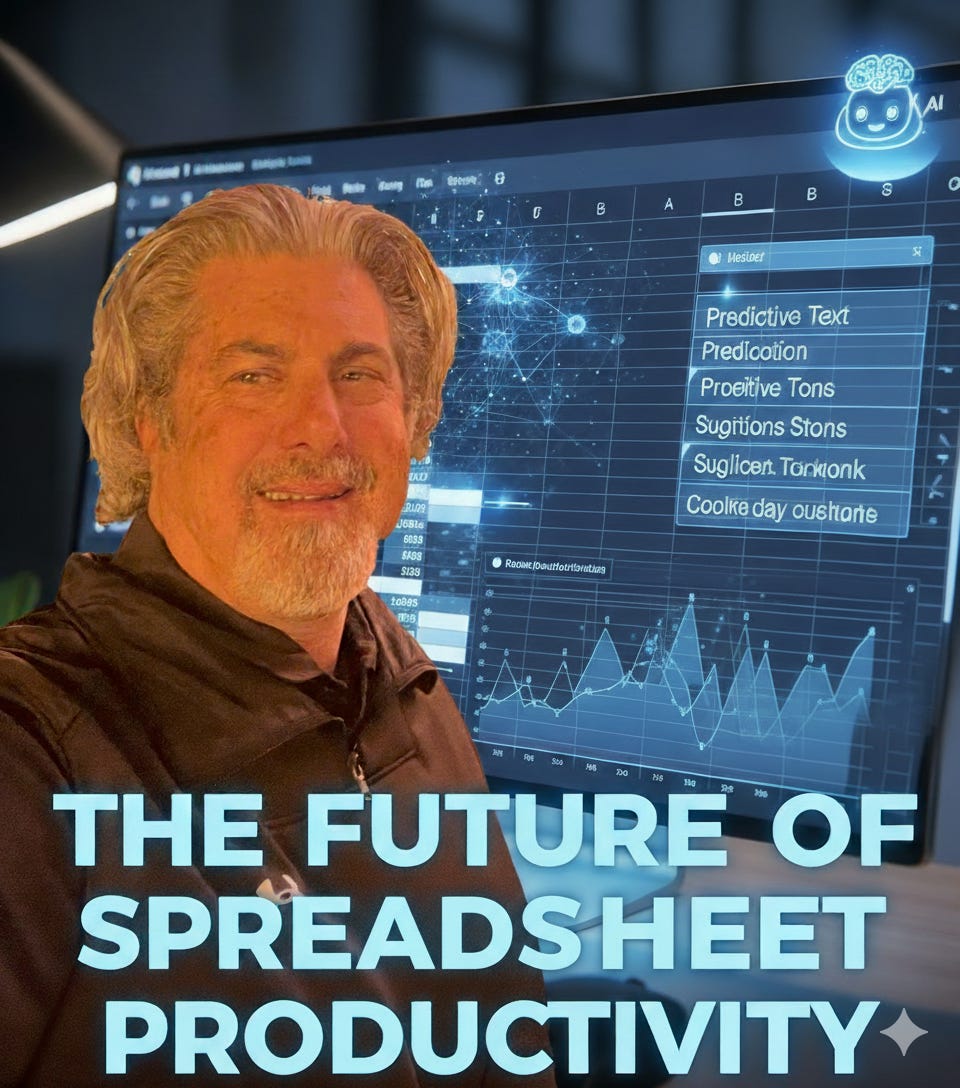
Paradigm is making headlines in the race to dethrone Excel with a radically new approach: spreadsheets powered by thousands of embedded AI agents that automate and revolutionize data management, analysis, and collaboration.
Why Excel Dominates—And Why Change Is Needed
Excel has reigned for decades as the most widely used spreadsheet tool, prized for its flexibility in everything from budgeting to CRM data tracking. Yet, as data volume and complexity rise, traditional spreadsheets demand tedious manual updates and error-prone tasks, limiting efficiency for businesses and creators.
The Paradigm Difference
Paradigm’s AI-first platform reimagines spreadsheets by embedding an intelligent AI agent in every cell. Users can assign prompts to individual cells and watch as agents crawl the web, gather information, enrich data, and automate reporting—all in real time.
Key features include:
Real-time contextual analysis: Each cell interprets, enriches, and acts on data automatically.
Collaborative tools: Teams edit, comment, and unify data sources seamlessly with built-in security safeguards.
Multi-model support: Switch between leading AI frameworks (Anthropic, OpenAI, Gemini) for tasks ranging from in-depth reasoning to cost-efficient automation.
Instant automation: Generate actionable insights, model scenarios, and send emails straight from the spreadsheet interface.
Why Paradigm Matters for Business and Data Users
Paradigm’s platform is already being adopted by top consulting firms and technology companies to supercharge data workflows. Instead of switching contexts or manually stitching data, users can operate through a familiar interface that’s now deeply intelligent, transforming static grids into dynamic knowledge hubs.
Examples include:
Automated enrichment of CRM records from trusted sources.
Intelligent scenario modeling and predictive analytics for teams.
Reporting and trend analysis executed on demand—no macros required.
The Future of Spreadsheet Productivity
Paradigm’s launch signals the era of spreadsheets as AI command centers, where automation and intelligence are built in rather than bolted on. As more users experience the productivity leap, Excel faces its first real challenger—not just in features, but in philosophy and architecture.
Paradigm isn’t just another Excel competitor—it’s a new paradigm for how we work with data.